Hidden danger: How to protect yourself from Listeria amid outbreak at Tacoma burger shack
READ MORE
Listeria outbreak
Between Feb. 27 and July 22, 2023, six customers at a Tacoma restaurant developed severe illness due to infection with Listeria. Three of them died. Follow all of the TNT’s coverage here.
Expand All
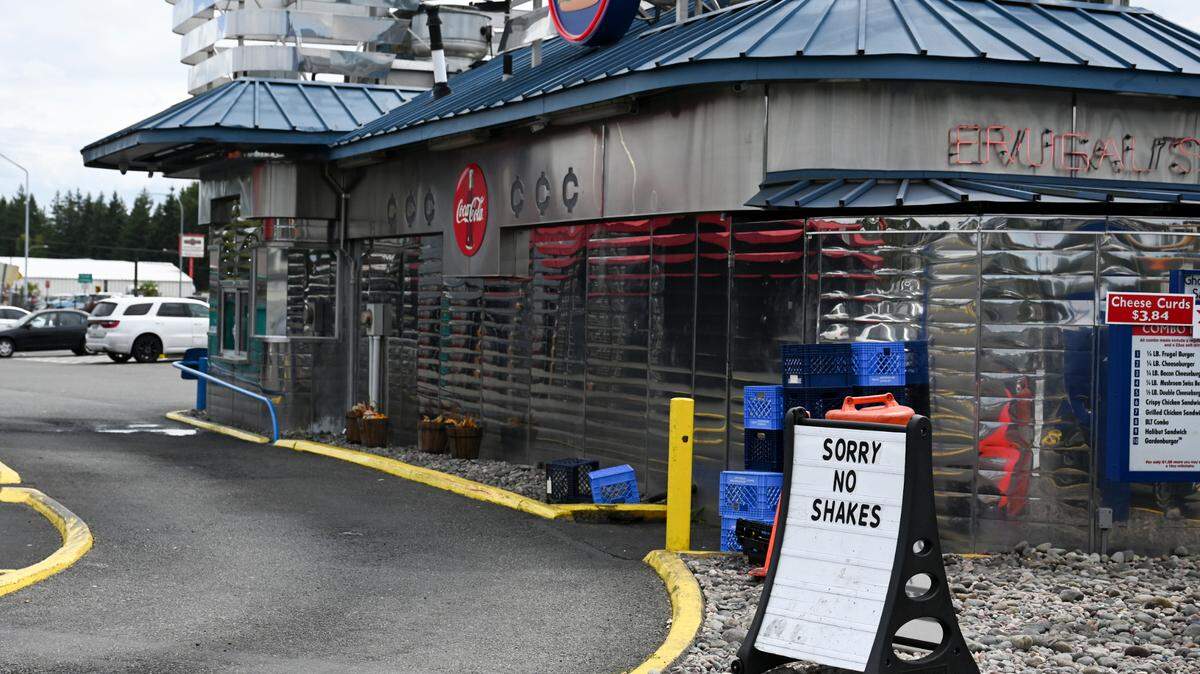
Three people died and three others were hospitalized following an outbreak of Listeria bacteria (listeriosis) at the Tacoma-area Frugals location.
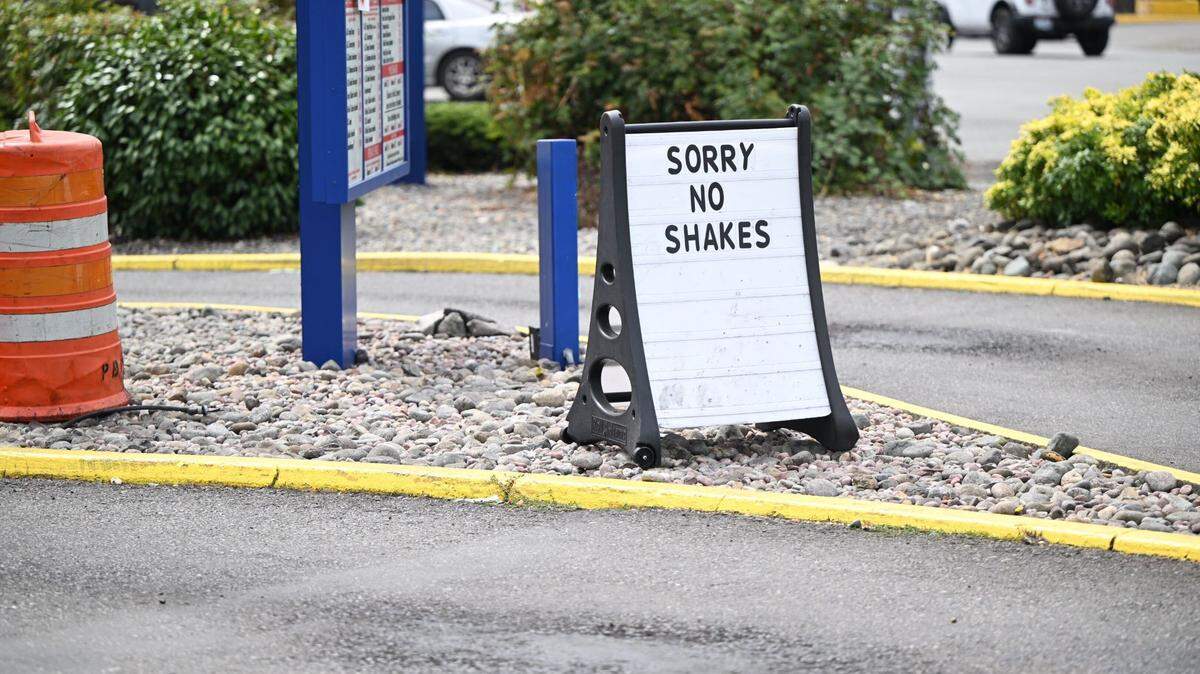
The Washington State Department of Health traced the outbreak to milkshakes at the regional burger chain’s location on Pacific Avenue.
Listeria is commonly caused by raw food sources, like unpasteurized or raw milk. DOH testing revealed all Frugals milkshake flavors contained the Listeria strain from the outbreak.
All six patients were older than 40 and had weakened immune systems.
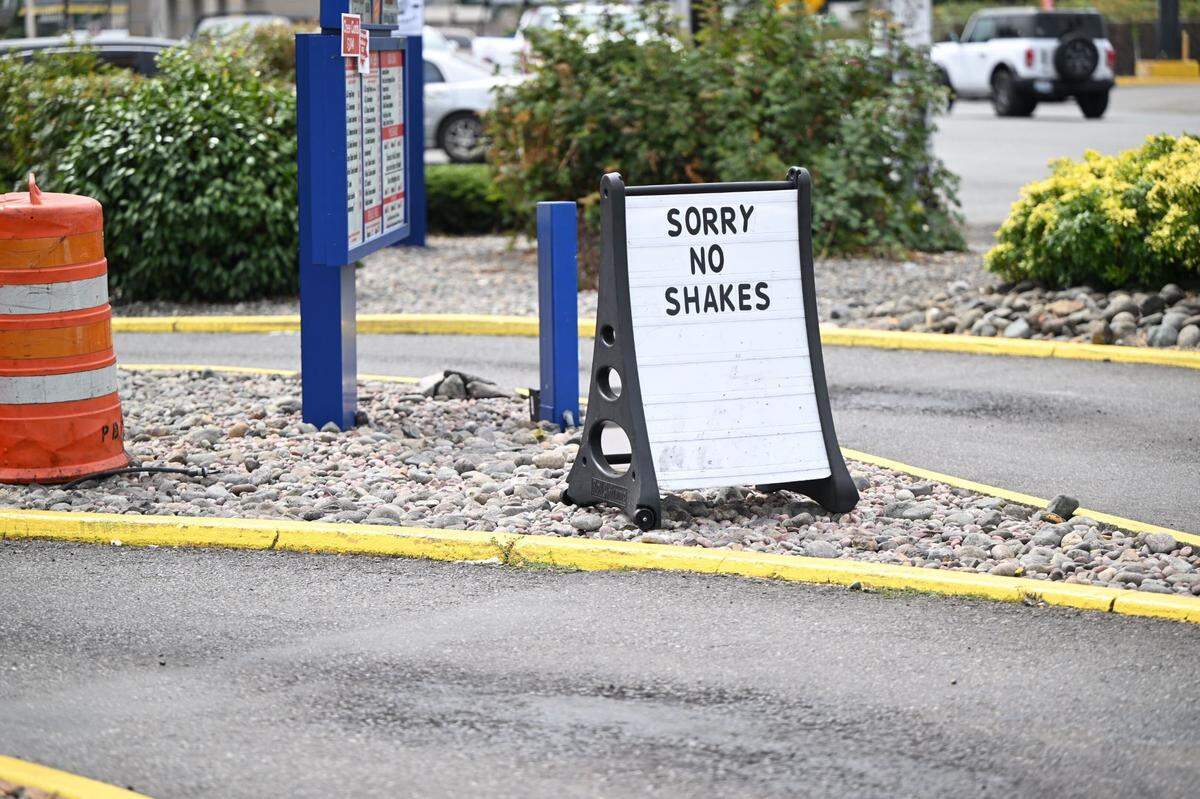
The DOH reported that Frugals’ milkshake machines were not cleaned properly, and the machines have been pulled from use. Frugals is reportedly pulling all milkshake machines from use and evaluating protocols at all locations. However, Listeria can make people sick months after they eat it.
Expert answers on Listeria
The outbreak has many wondering how they can protect themselves from similar outbreaks and how to detect Listeria. The News Tribune spoke with Judy Simon, clinical nutritionist at the University of Washington, about some frequently-asked questions.
Editor’s note: Responses have been edited for clarity and publication.
▪ TNT: Listeria was found in milkshake machines at a popular burger shack in Tacoma. There are many other similar restaurants in the area. Should people be careful about ordering milkshakes?
JS: Listeria has been found in ice cream, lettuce, cheese, deli meat and other foods. Be sure the places you eat have favorable health inspection records.
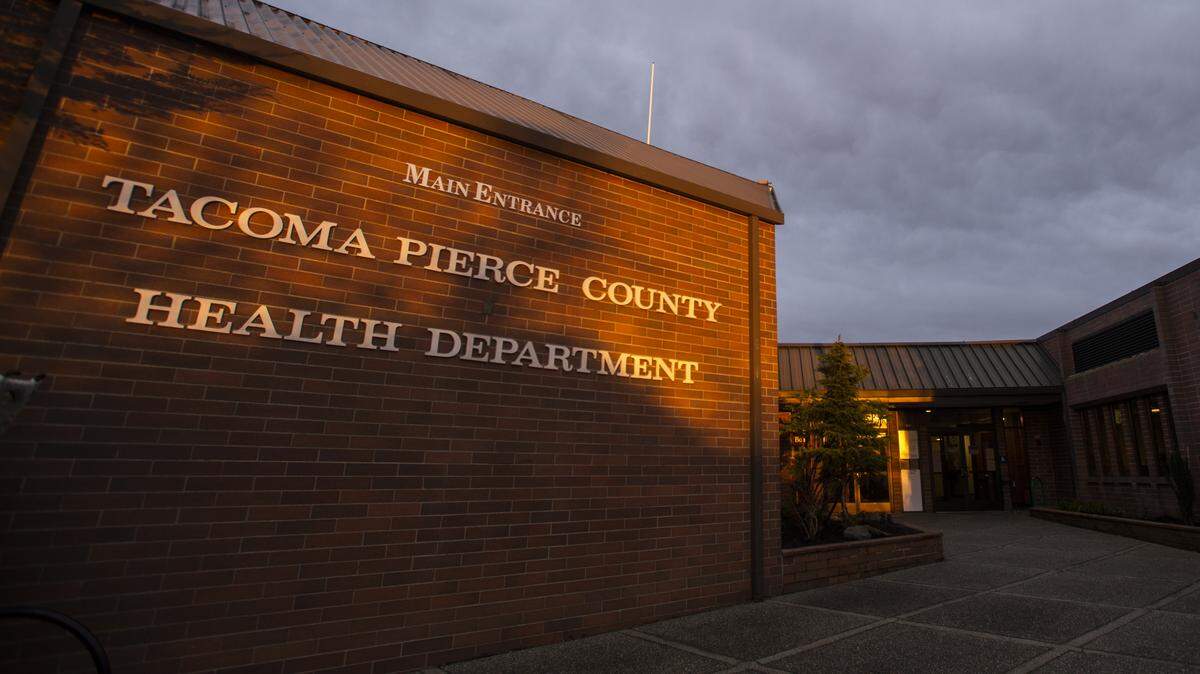
Find Pierce County and Thurston County health inspection records online. Records from the Tacoma-Pierce County Health Department show repeated violations at Frugals regarding cold food safety, but not so many violations the establishment failed either inspection from the past two years. Of the six violations noted in 2022 and 2023, only two were in the red category, meaning the action could cause foodborne illness.
▪ TNT: Given that Listeria has no odor, taste or color, how can you spot potential Listeria in food?
JS: We can’t spot potential Listeria, unfortunately. To optimize food safety, be sure that cold food remains cold and hot food stays hot. Try to avoid food that has been sitting out for more than two hours. Avoid keeping food in the danger zone between 40 and 140 degrees Fahrenheit. Listeria can grow easily in this temperature.
▪ TNT: Why is it so important for immunocompromised, pregnant and 65+ people to be extra cautious about Listeria?
JS: Pregnant women can spread the bacteria across the placenta and infect the fetus. Others can become infected and not get sick. Immunocompromised folks are not as easily able to fight off the bacteria.
▪ TNT: Given that there is potential for Listeria and other food-related dangers at home, how can people protect themselves?
JS: Practicing food safety in the kitchen is the best way to reduce risk for foodborne illness.
▪ TNT: Can changing eating habits or eliminating certain foods from your diet help protect you from Listeria?
JS: Yes. Pregnant women (and immunocompromised folks) should avoid the following:
Unpasteurized cheeses
Unheated deli cheeses
All deli meats or sausages not heated to 165 degrees Fahrenheit
Premade deli salads
Refrigerated pâté or meat spreads
Refrigerated smoked fish (needs to be heated)
Raw or lightly cooked sprouts
Cut melon left out for more than two hours
Raw milk, yogurt or ice cream
The Centers for Disease Control and Prevention lists potential replacements for foods more prone to carry Listeria.
▪ TNT: At what point should Listeria symptoms be considered dangerous, and what do you do?
JS: For pregnant women, Listeria symptoms are often a fever, flu-like symptoms and intestinal symptoms such as diarrhea or vomiting. Symptoms usually start 24 hours after eating contaminated foods.
For those who are not pregnant, the CDC lists common symptoms as a headache, stiff neck, confusion, loss of balance, convulsions, fever and muscle aches.
This story was originally published August 23, 2023 at 1:30 PM with the headline "Hidden danger: How to protect yourself from Listeria amid outbreak at Tacoma burger shack."