
‘Catastrophic threat’ to startup of massive Hanford nuclear cleanup plant rumored
AI-generated summary reviewed by our newsroom.
- DOE may shift strategy at Hanford as waste plant nears initial operation.
- Plant construction began in 2002; deadline for waste treatment is Oct. 15.
- Facility employs 3,000 workers and receives $3 billion annually for cleanup.
Rumors were flying Monday that the future of radioactive waste treatment at Hanford’s massive vitrification plant might undergo a major change.
The Energy Communities Alliance, relying on reporting by E&E News by Politico, said that Roger Jarrell had been fired Monday from his position of principal deputy assistant secretary of the Department of Energy’s Office of Environmental Management.
That agency oversees environmental cleanup of the Hanford nuclear site in Eastern Washington from Washington, D.C.
E&E News by Politico was the first to report Jarrell’s termination and quoted a person who was not named as saying that Energy Secretary Chris Wright wanted to go in a “different direction” on treating Hanford’s radioactive tank waste.
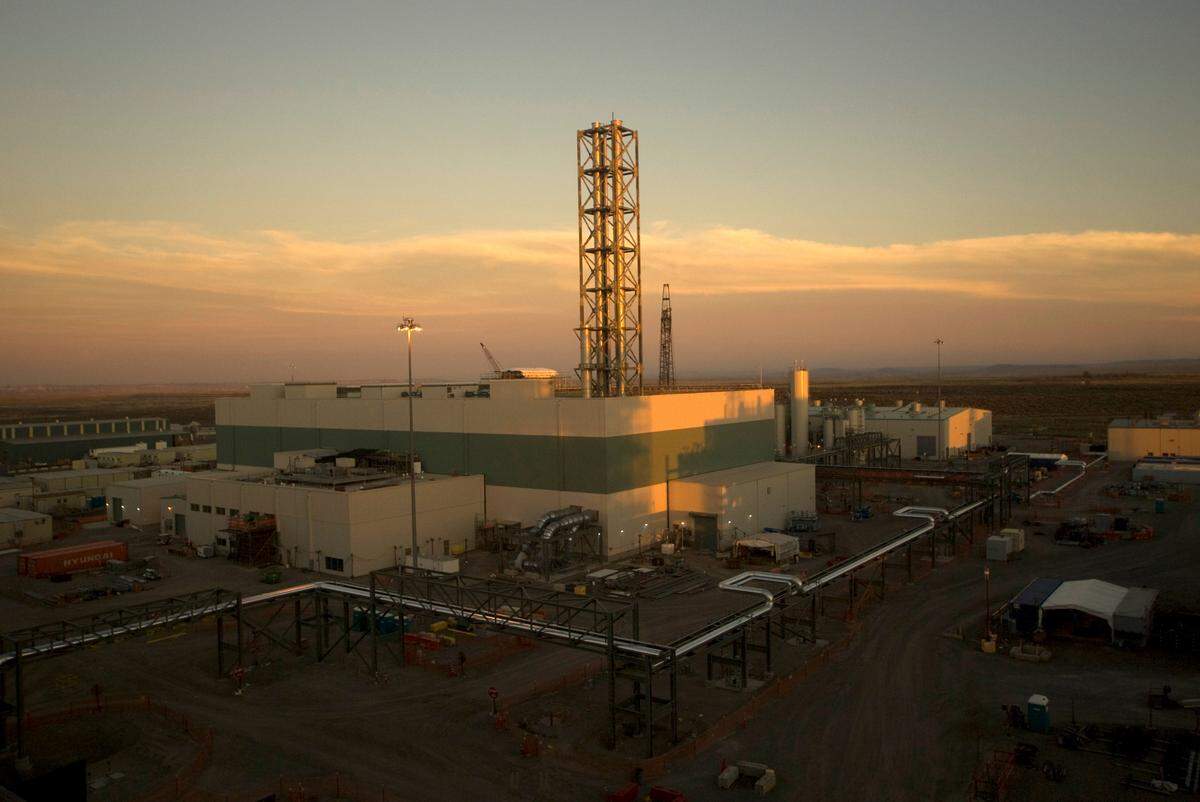
DOE is currently required under a federal court consent decree to start showing by Oct. 15 that it can turn some of the 56 million gallons of radioactive waste in underground tanks into a stable, but still radioactive, glass form at the Hanford Waste Treatment Plant, or vitrification plant. The plant has been under construction for 23 years.
“I think they want to kill (the Waste Treatment Plant) altogether, even though it’s (close to being operational),” EandE News quoted the anonymous source as saying.
The plant is one of the top employers in the Tri-Cities, with an annual payroll of about $350 million and nearly 3,000 employees, according to a website maintained by DOE’s vitrification plant contractor, Bechtel National.
WA leaders react
Sen. Patty Murray, D-Wash., said Friday that she hopes that reports that DOE leadership is interested in axing the start of vitrification plant waste treatment are wrong.
“But I have absolutely no intention of allowing the Trump administration to upend nuclear waste cleanup at Hanford and threaten progress at the Waste Treatment Plant,” she said in a statement Monday. “.... I will not stand by and let the Trump administration kneecap the Hanford cleanup mission and violate the legally binding Holistic Agreement because they are ignorant and corrupt.”
The Washington state Department of Ecology, a Hanford regulator, and DOE spent nearly four years negotiating the Holistic Agreement to establish a plan for dealing with radioactive tank waste for the next 15 years, which included the start of vitrification of radioactive waste this year.
Murray called the rumored change in plans for tank waste treatment “a catastrophic threat to the Hanford cleanup mission and the Tri-Cities community and (it) would light billions of taxpayer dollars on fire.”
DOE did not immediately provide the Tri-City Herald with the amount of money spent so far on the vitrification plant to treat the least radioactive of the tank waste, called low activity radioactive waste.
“This administration has shown itself to be dangerously clueless about Hanford and clearly won’t think twice about tearing up the painstaking progress we’ve made over decades to clean up toxic nuclear waste,” Murray said.
The historic start of treatment at the vitrification plant of much of the tank waste is just six weeks away, Sen. Maria Cantwell, D-Wash., pointed out.
“Any plans to deviate from this plan will delay the cleanup and waste billions in taxpayer dollars,” she said in a statement. “Whoever at DOE that is responsible for the Hanford cleanup must understand there are not shortcuts and Hanford cannot be cleaned up on the cheap.”
Gov. Bob Ferguson said in a statement Monday that he was “deeply concerned” by news reports about the vitrification plant.
“Changing course now would cost taxpayers billions, violate multiple legal agreements and extend clean up work for decades,” he said. “We are committed to working with (the Department of) Energy to bring the treatment plant online, and getting Hanford’s 56 million gallons of underground tank waste safely stabilized.”
Washington state will continue to hold the federal government accountable for fully cleaning up one of the most polluted nuclear sites in the northern hemisphere, Ferguson said.
Rep. Dan Newhouse, R-Wash., told the Tri-City Herald on Monday afternoon that he was concerned about the termination of Jarrell and the implications for the Hanford site.
“While there is currently a lack of information around the claims that DOE will be moving in a different direction as it relates to Hanford’s clean up, I have reached out to the administration for additional information,” Newhouse said in a statement.
“Hanford and the cleanup mission remain a top priority, and I will continue working to ensure they are able to execute it with ample resources and support,” he said in a statement.
DOE Headquarters did not immediately respond to a Tri-City Herald request for information Monday.
Tank waste treatment plan
Construction on the vitrification plant started in 2002 and deadlines for treating waste have been repeatedly extended, but the part of the plant needed to treat the least radioactive waste held in underground tanks appears to be close to finally operating.
In late July, the Department of Ecology and DOE agreed to extend the deadline for initial treatment of radioactive waste at the plant from Aug. 1 to Oct. 15.
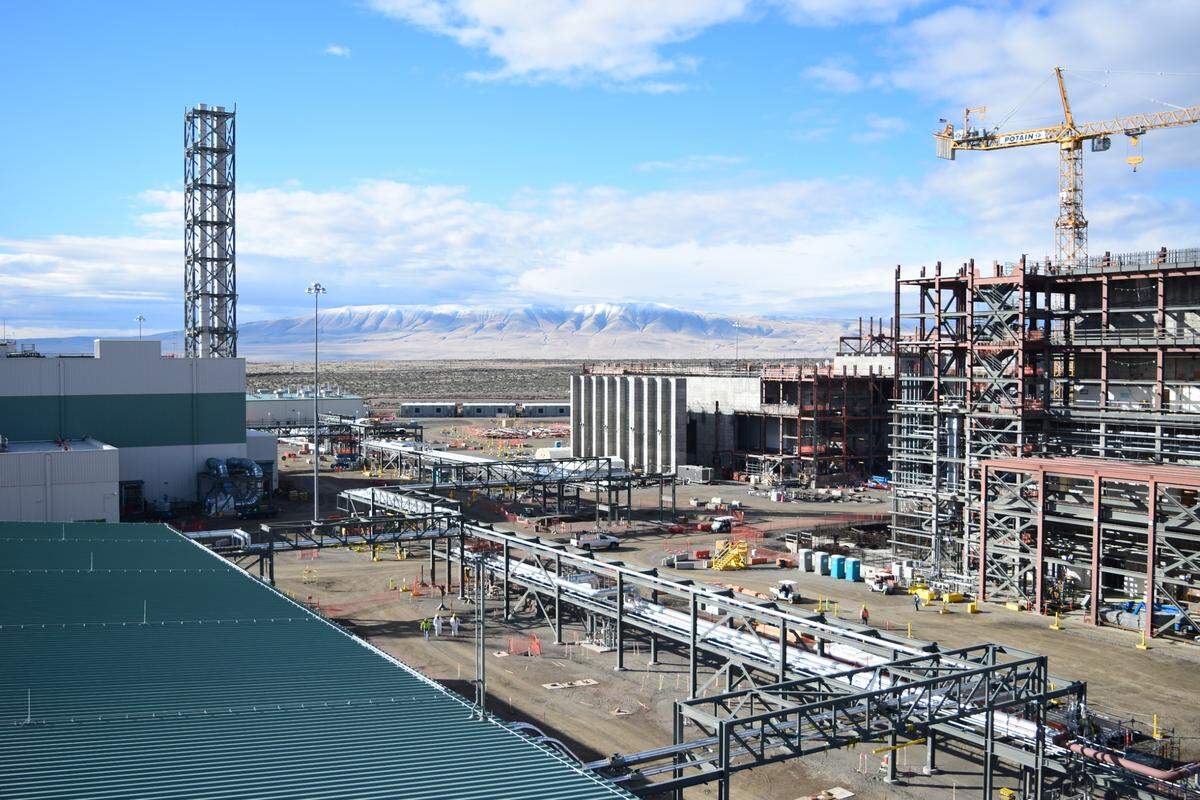
Starting to operate the vitrification plant would not only prepare waste, some generated as long ago as World War II, for permanent disposal, but it also would help empty waste from leak-prone underground tanks. The tanks are above groundwater that moves toward the nearby Columbia River.
The 580-square-mile Hanford site in Eastern Washington was used to produce nearly two-thirds of the plutonium for the nation’s nuclear weapons program from WWII through the Cold War.
The tank waste is left from chemically processing uranium fuel irradiated in Hanford reactors to separate out plutonium.
About $3 billion is spent annually by taxpayers on environmental cleanup of the Hanford nuclear site adjacent to Richland, Wash.
Holistic Agreement tank waste plan
DOE now is pursuing two ways to treat low activity radioactive waste at the same time.
Under the Holistic Agreement, it would treat some of that waste at the vitrification plant and also start grouting some of the waste for out-of-state disposal to get more waste treated sooner.
This summer DOE successfully completed a test of solidifying 2,000 gallons of the least radioactive waste held in underground tanks in concrete-like grout for disposal, which would supplement vitrification of waste.
Low activity waste was separated from tank waste and then shipped for grouting and disposal to Waste Control Specialists in Texas and EnergySolutions in Utah. An earlier test of an intial three gallons was treated at PermaFix Northwest in Richland and then shipped to Texas for disposal.
Low activity vitrified waste may be disposed of in a lined repository in central Hanford.
But because of the groundwater that flows slowly beneath Hanford toward the Columbia River, the Department of Ecology has said that only the most robust waste forms — such as vitrified waste, but not grouted waste — are acceptable for disposal of low activity tank waste at Hanford.
Both the EnergySolutions disposal facility in Utah and the Waste Control Specialists disposal facility in Texas are in areas where the geography is conducive to disposal that is more protective of the environment than at Hanford.
DOE is required by the federal court consent decree to begin treating high level radioactive waste by 2033 at a facility still under construction at the vitrification plant.
Just 10 percent of the waste is expected to be high level radioactive waste, but it is expected to contain 90% of the radioactivity of the tank waste.
This story was originally published September 8, 2025 at 3:40 PM with the headline "‘Catastrophic threat’ to startup of massive Hanford nuclear cleanup plant rumored."