The Port of Olympia marine terminal reported a loss in 2021. Will 2022 be different?
The Port of Olympia marine terminal has been busier than it has been in years. But despite the growth of cargo business and an increased variety of goods, the terminal continues to show a net loss, according to port staff.
Will 2022 be different?
The marine terminal was projected to handle 30 ships this year, but it appears the port might shatter that total because 20 already have called on the port through mid-May, said port spokeswoman Jennie Foglia-Jones.
Port operations director Rudy Rudolph shed light on those cargoes during a recent presentation to the Port Commission. The port continues to handle logs because of its longtime relationship with Weyerhaeuser, but the newer cargoes are cattle, steel coil, steel pipe, rice, sugar and hay, he said.
The rice is apparently bound for Costco, Foglia-Jones said.
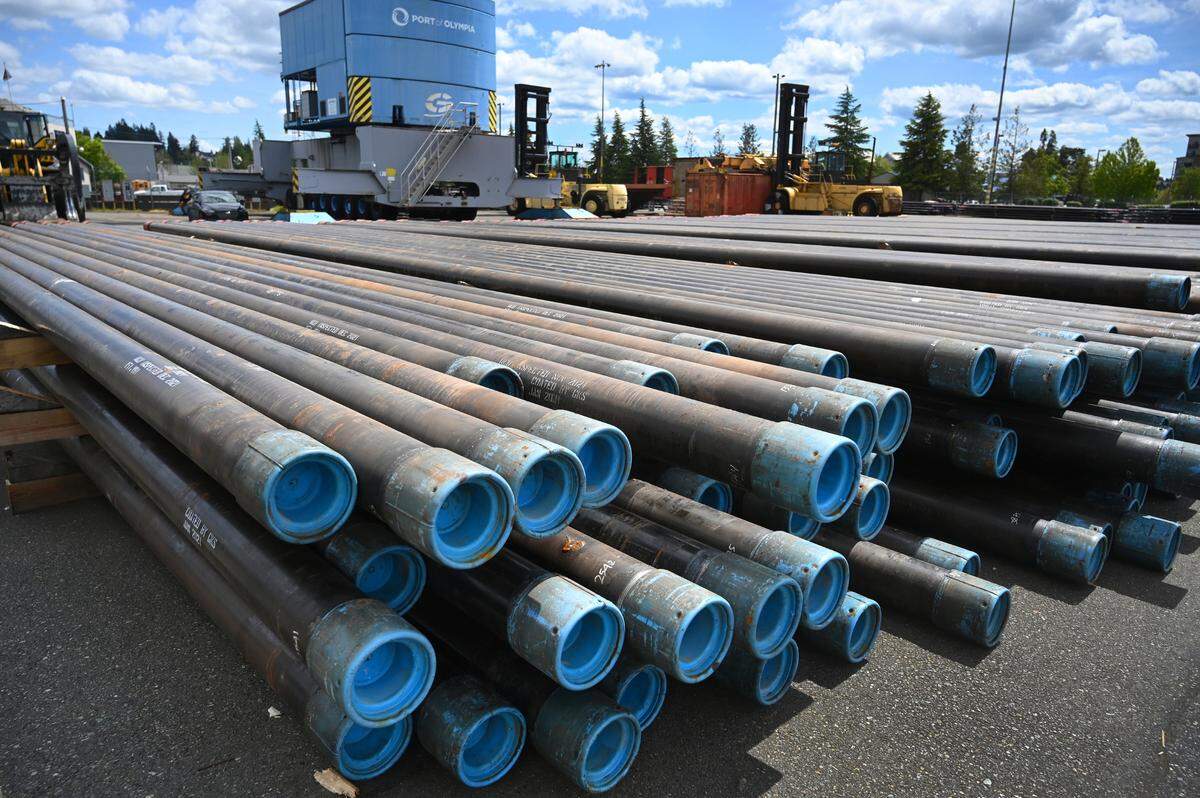
Through April, 16 vessels called on the port. Ten of those ships handled logs, followed by two with rice, two with steel pipe, one with cattle and one with packaged hay, Rudolph told the commission.
“We continue to explore our opportunities,” he said.
Vessel visits have slowly improved since 2019, according to port data. Twenty ships called on the port in 2019, followed by 28 in 2020 and 29 in 2021.
Why is the port seeing increased business at the marine terminal? Some of it has to do with the pandemic and the supply chain problems it has created at other ports.
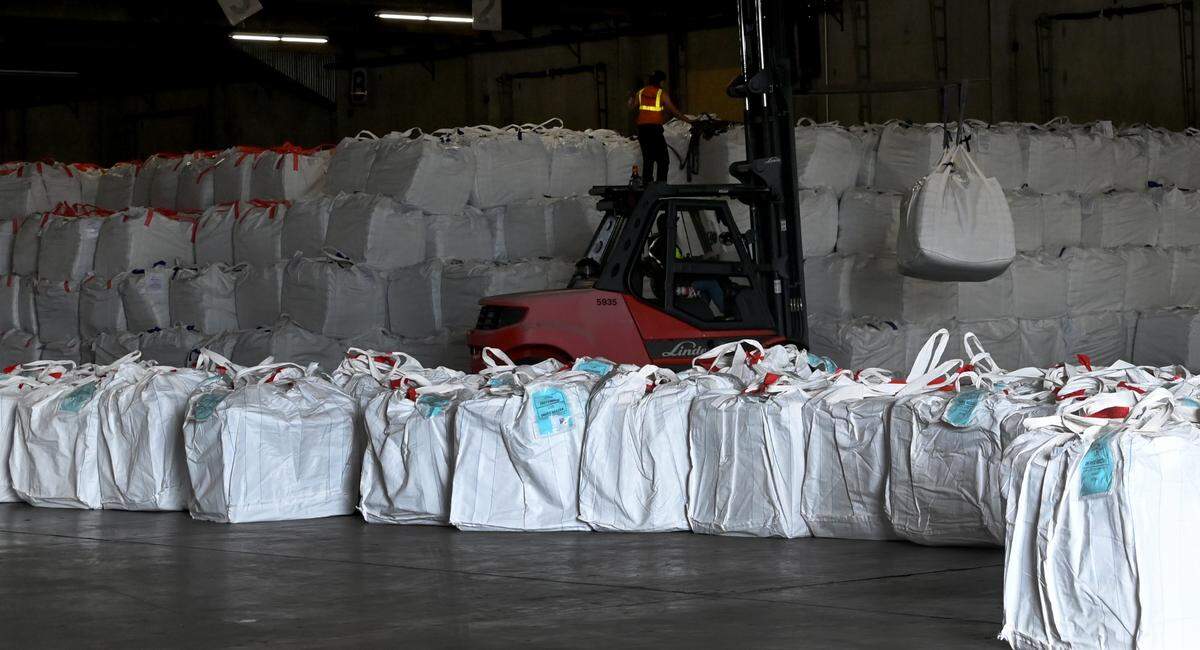
“Shippers are looking for alternatives to containers to move freight,” said Commissioner Joe Downing, adding that the port also has the room to store goods in a warehouse and on a marine terminal that is served by rail.
The 29 ship visits last year helped the port beat financial projections for 2021, but after operating expenses, general and administrative overhead and depreciation, the terminal showed a net loss of $594,000 on more than $4 million in revenue, according to the presentation to the commission.
That was better than the $1 million loss the port had projected for the marine terminal in 2021.
Finance Director Matt Peach said the numbers did not include a governmental accounting standards board adjustment. It wasn’t immediately clear why, but if it had been included, the marine terminal loss for 2021 would have been about half the $594,000 figure, Foglia-Jones said.
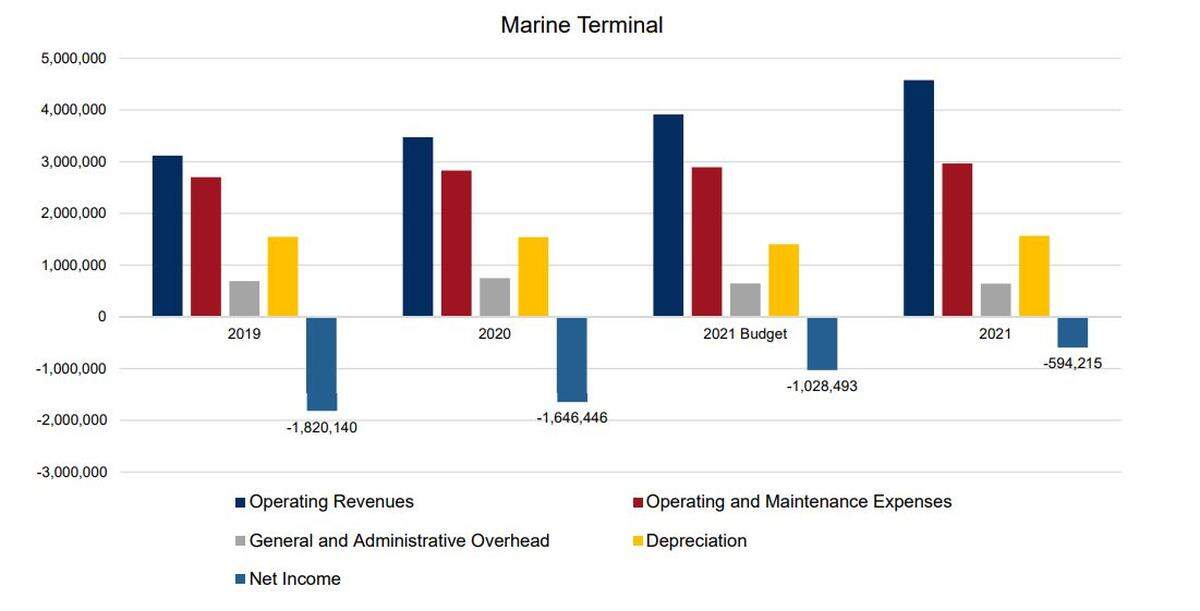
Foglia-Jones said the port originally projected a net loss at the marine terminal for the first quarter of 2022, but now is projecting net income.
Downing is pleased with the marine terminal activity, saying he has long advocated for more diversified cargo.
“I anticipate that 2022 is going to be a really strong year,” he said.
Port Commissioner Bob Iyall acknowledged the marine terminal net loss for 2021, but also emphasized that it was better than projected and has incrementally improved over the years.
“We’re on the right path,” said Iyall, agreeing that diversified cargo, in addition to the steady log business, helps.
During his 2021 campaign to be a commissioner, Iyall said he had a plan for the marine terminal. He reiterated Monday that he still wants the commission, possibly at an upcoming retreat, to analyze the finances of the terminal, including expenses and revenues.
“The depreciation number is a fact of life for the marine terminal,” he said. “It’s something we have to deal with for a bit.”
But Iyall also believes that the marine terminal is not at its revenue-generating potential.
Commissioner Amy Evans said the terminal is trending in the right direction, but the port needs to keep its eyes on costs and inherited costs and how to manage those going forward.
There’s a chance that supply-chain disruptions have created not just short-term opportunities for the port but long-term as well, she said.
Port operations director Rudolph told the commission container shippers have inquired about bringing cargo here, although the port is not equipped to handle those. The port also continues to look at layberth opportunities in which the port would be paid to host a ship for a period of time.
Two previous layberth deals recently fell through at the port.
“A potential layberth is still out there and we will continue to look at it,” Rudolph said.
This story was originally published May 17, 2022 at 5:45 AM.