Here’s what you need to prepare for poor air quality and smoke this wildfire season
READ MORE
Washington Smoke Season
Don’t wait for smoky skies to affect your health.
Expand All
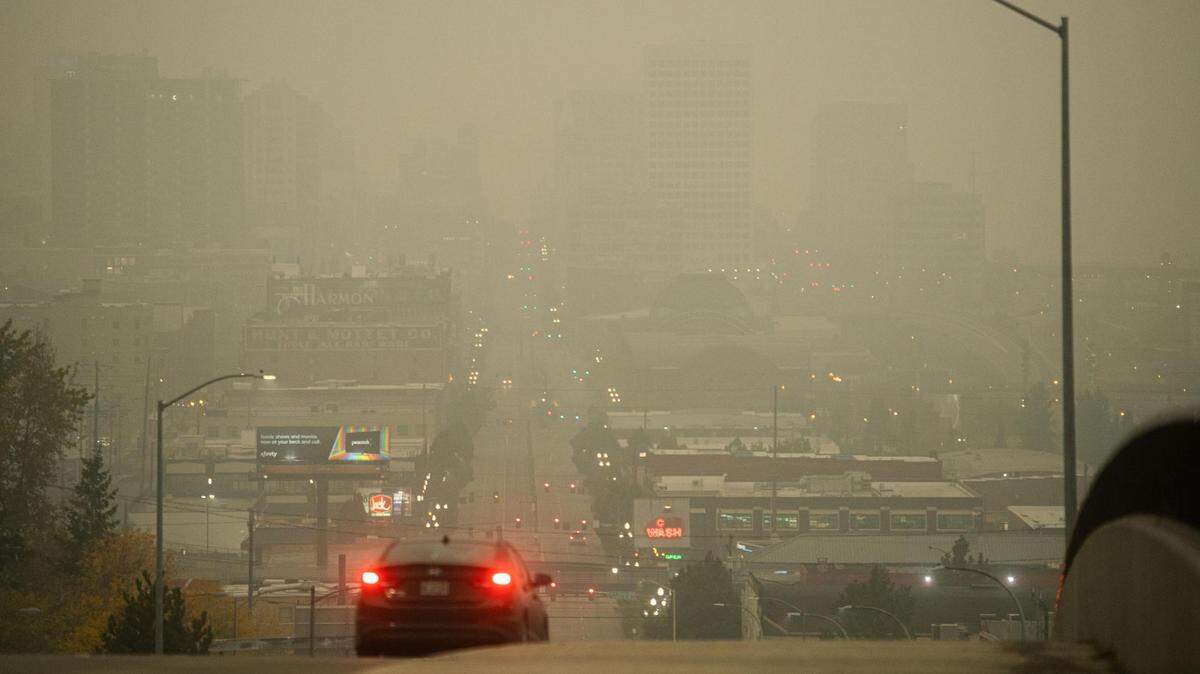
It’s wildfire season in WA. When can we expect smoke to arrive west of the Cascades?
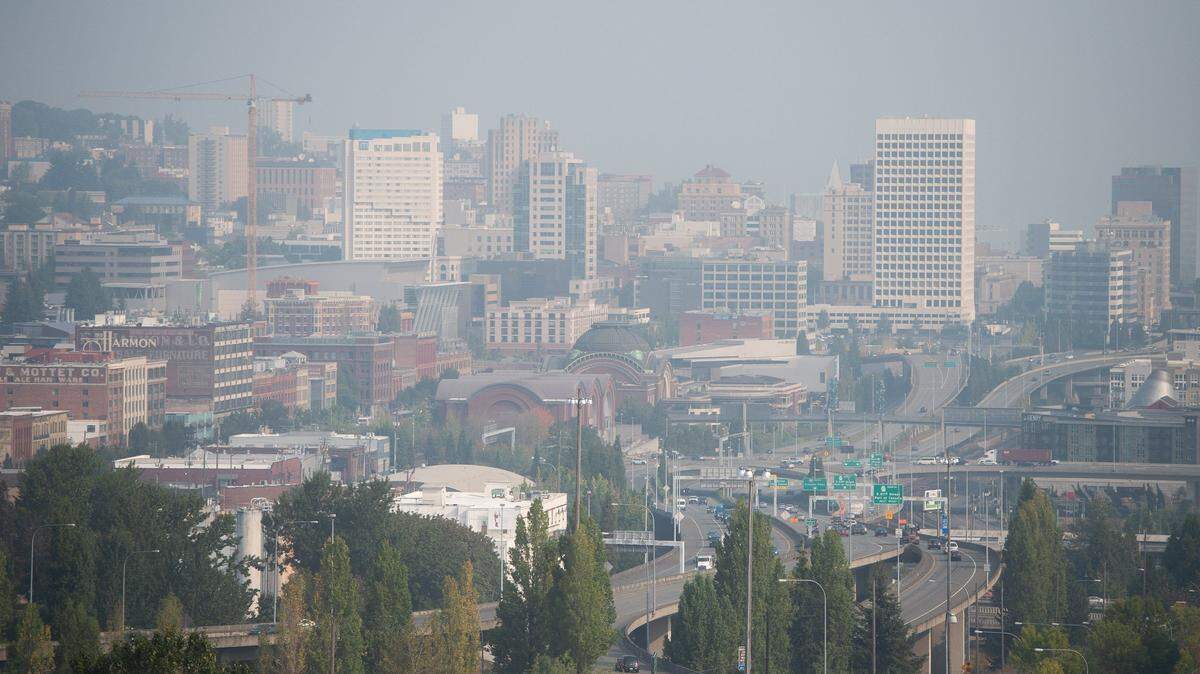
Here’s what you need to prepare for poor air quality and smoke this wildfire season
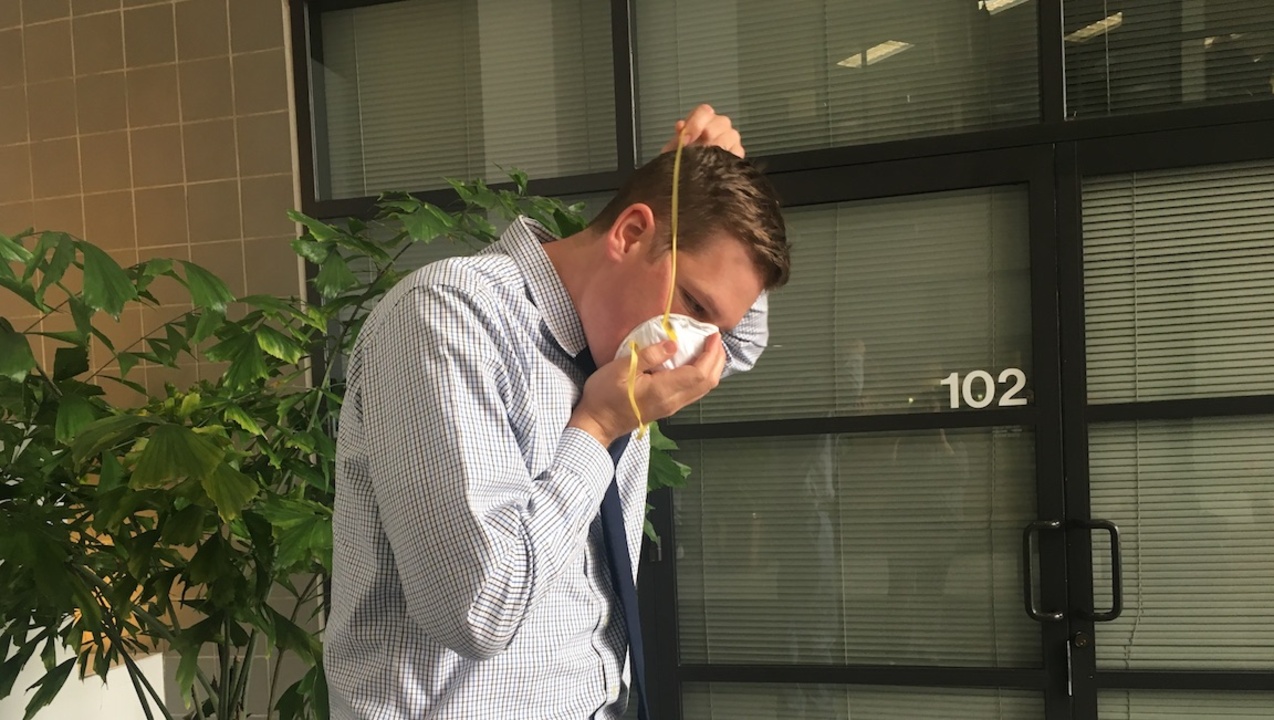
WA smoke season is upon us. Here are some tips for smoke-proofing homes, buying masks
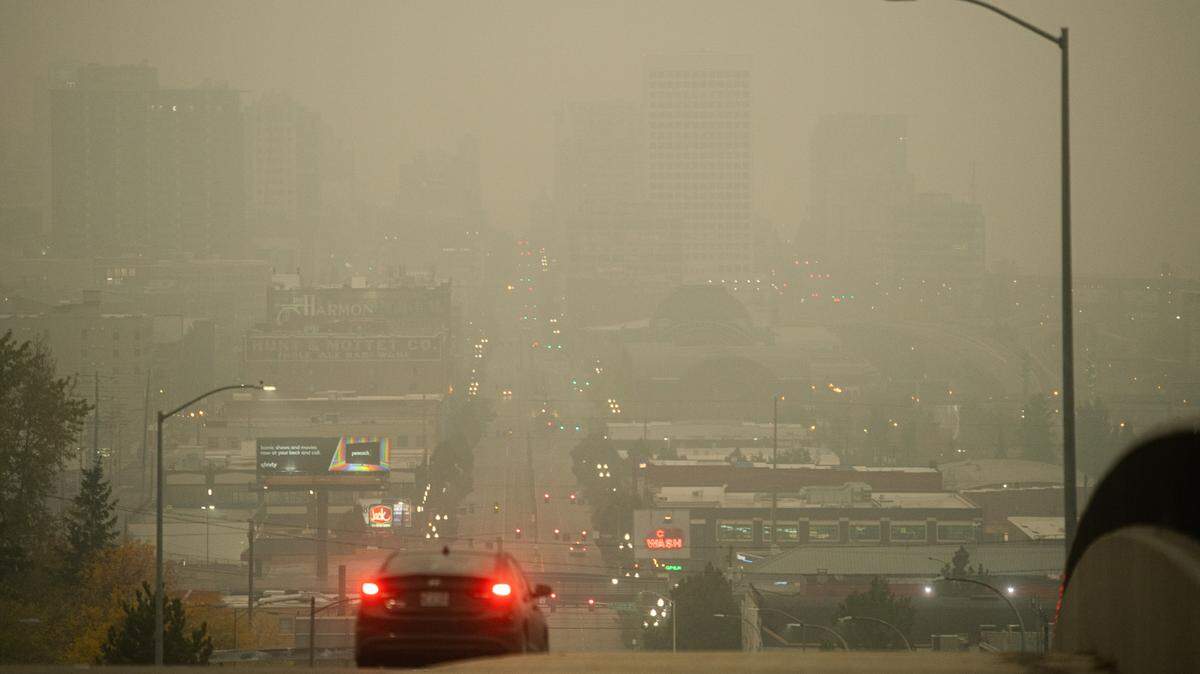
Local governments are preparing for incoming wildfire smoke. Here’s how
Interactive map shows wildfires burning in Washington, elsewhere in the United States
Just like extreme heat, certain individuals are more sensitive to smoky air, but the long-term effects on all of us remain unknown.
UW Medicine pulmonologist Dr. Cora Sack spoke recently about the risks of inhaling wildfire smoke as part of an informational promotion to educate others on the multiple dangers of lower air quality.
“As anyone who’s lived in the Pacific Northwest over the past few years has experienced firsthand, that wildfire seasons have become more extreme and are lasting longer,” Sack said. “And most of the research to date has really focused on what are the short-term effects of breathing smoke.
“What we don’t know yet is what are the health effects from these longer periods of smoke that accumulate over time.”
Those at most immediate risk remain the elderly, “or those over the age of 65, people with underlying health conditions like lung or heart disease, pregnant women and infants,” Sack said.
It’s not enough to start worrying about protecting yourself when the sky turns hazy, or you smell smoke in the air.
“Have a plan for what to do if the days get smoky,” Sack said, which includes “knowing where you can go to get safe air quality and what to do to prepare your home and maybe talk to your doctor as well about what to do if you’re experiencing any health effects.”
Immediate effects include burning or itching eyes, difficulty breathing or sudden irritation in the lungs, headaches, sore throat, even nausea.
Feeling any of those symptoms means you need to find cleaner air.
And, as reported previously, cloth or surgical masks or neck gators, all things people turned to amid the COVID-19 pandemic, won’t help you amid decreased air quality. But, snug-fitting N95 and KN95 masks can work well for blocking smoke particulates.
“Know we’ve all gotten very used to wearing masks this past year for protecting us against COVID transmission. Unfortunately, those cloth masks that we use for COVID aren’t effective at filtering out the smallest particles that are dangerous from wildfire smoke,” Sack said.
The effects of bad air quality because of wildfire smoke also were discussed during Wednesday’s announcement of the state’s drought emergency.
“People who have asthma if they are exposed to that wildfire smoke, they can have more severe or more frequent asthma attacks,” said Lauren Jenks, assistant secretary for Environmental Public Health at Washington State Department of Health.
Those attacks, she noted, “can sometimes be deadly. Women who are pregnant, if they are exposed to the smoke or are sensitive can go into preterm labor. Smoke can impact our health, in many different ways.
“What I would say to you is if you are smelling the smoke or you can tell … that the air quality is poor in your area, and you’re starting to feel any symptoms at all like itchy, watery eyes or your throat, those are minor impacts from the smoke. But what they are telling you is that your body is reacting to the smoke, and it’s time to come inside and find cleaner air.”
She also noted preparation needs to start now before the smoke rolls in.
Online sites to monitor air quality:
wasmoke.blogspot.com/p/forecasts.html
pscleanair.gov/154/Air-Quality-Data
Links to state air quality app: https://bit.ly/3koXCDY
Department of Ecology: ecology.wa.gov/Air-Climate/Air-quality/Smoke-fire
This story was originally published July 15, 2021 at 12:56 PM with the headline "Here’s what you need to prepare for poor air quality and smoke this wildfire season."