It’s wildfire season in WA. When can we expect smoke to arrive west of the Cascades?
READ MORE
Washington Smoke Season
Don’t wait for smoky skies to affect your health.
Expand All
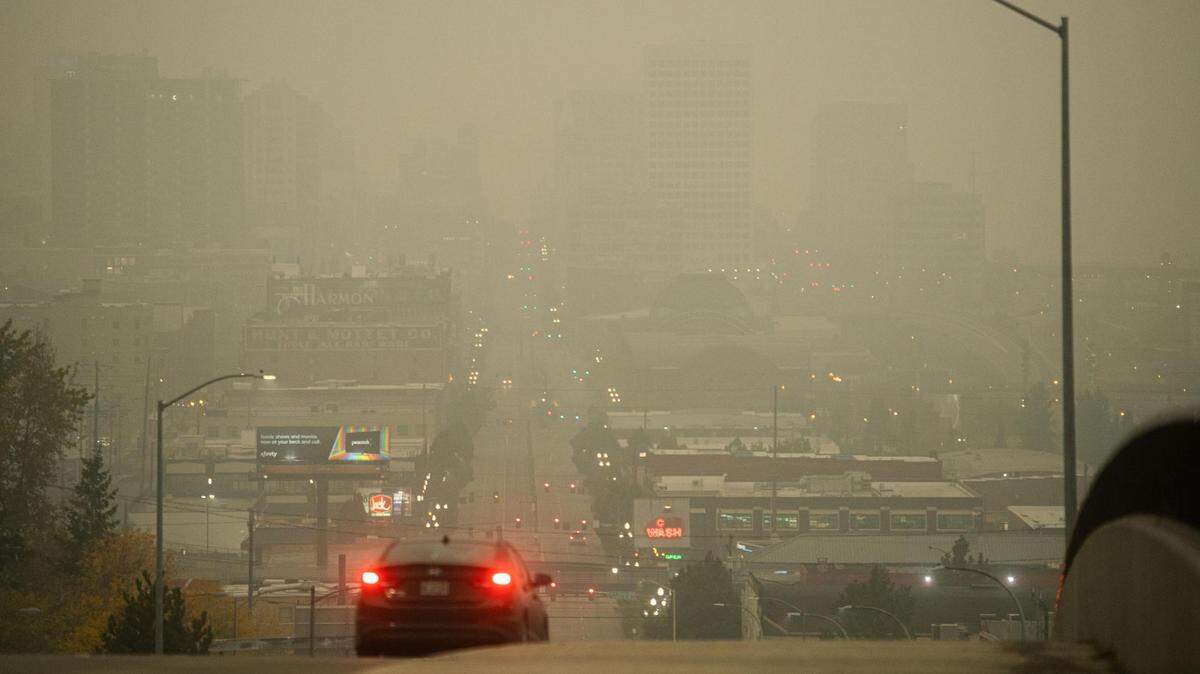
It’s wildfire season in WA. When can we expect smoke to arrive west of the Cascades?
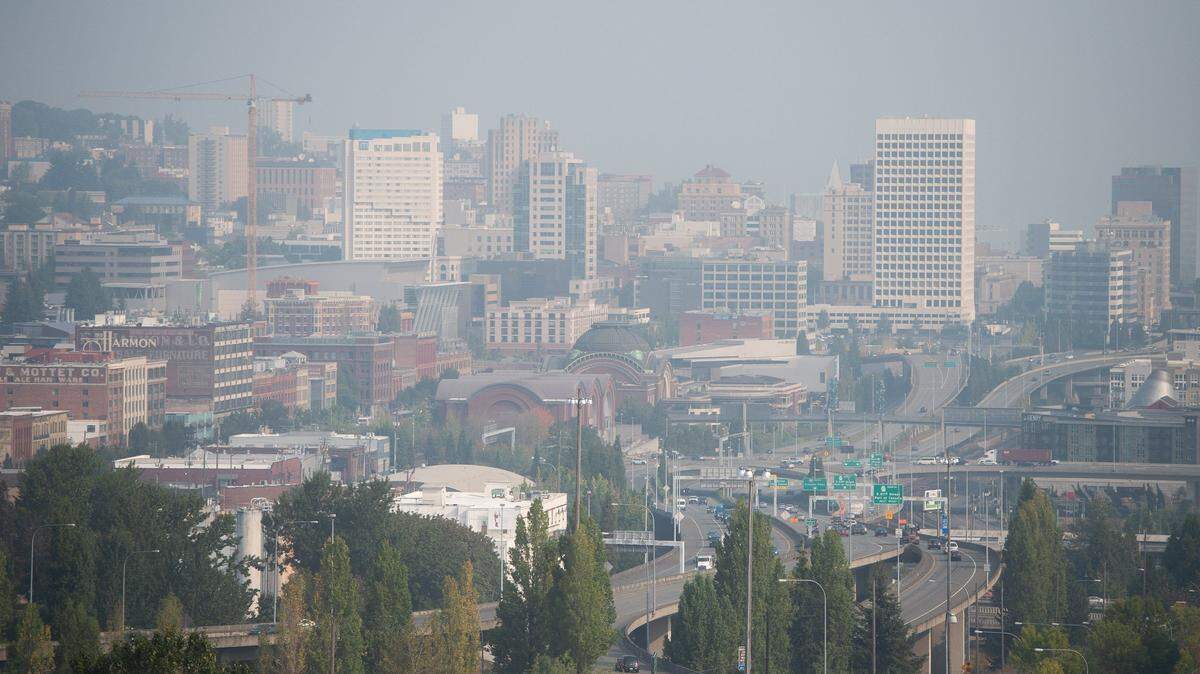
Here’s what you need to prepare for poor air quality and smoke this wildfire season
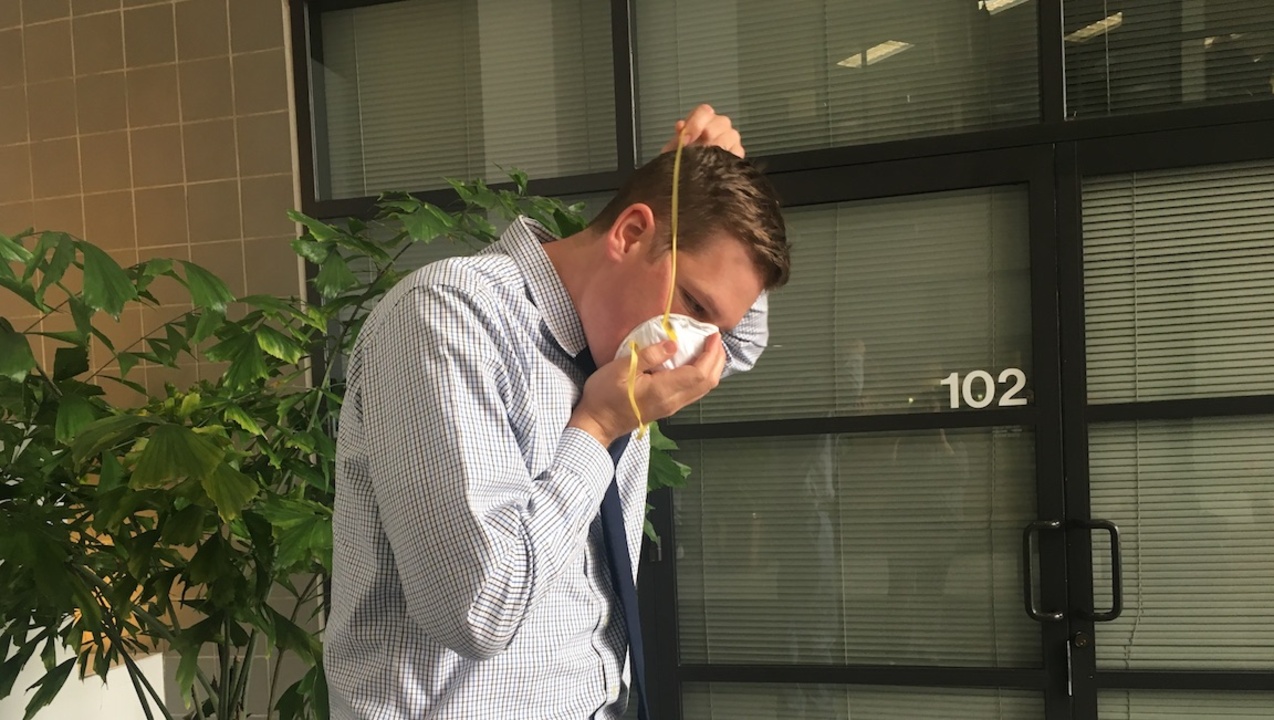
WA smoke season is upon us. Here are some tips for smoke-proofing homes, buying masks
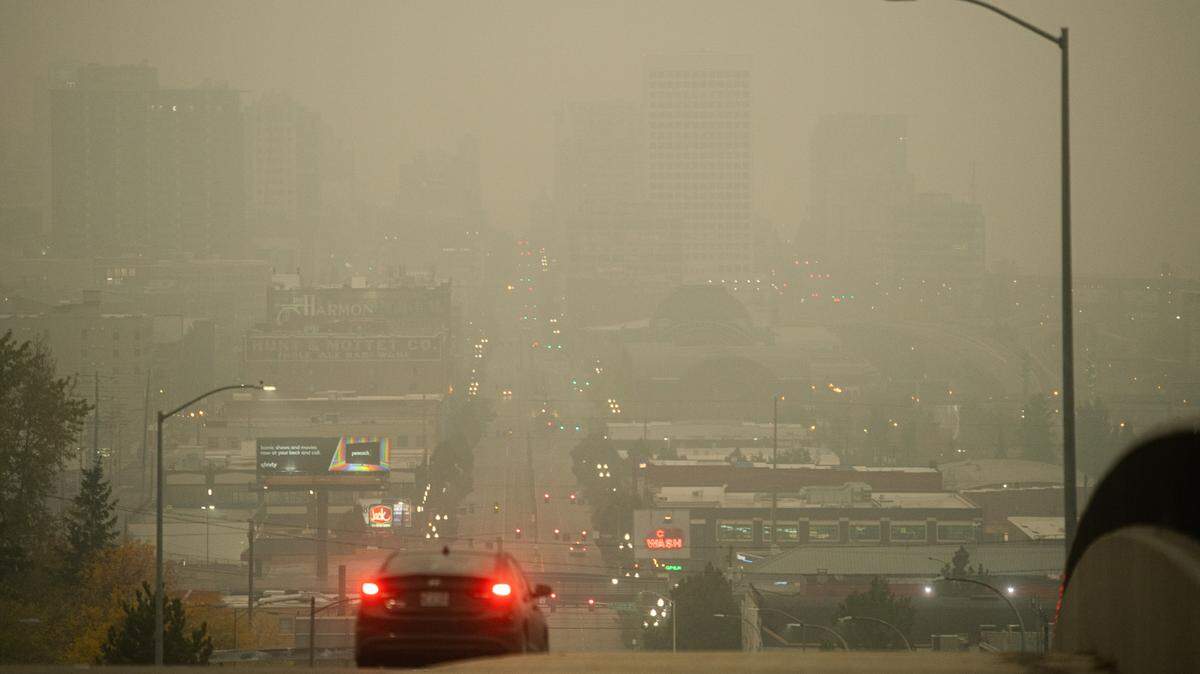
Local governments are preparing for incoming wildfire smoke. Here’s how
Interactive map shows wildfires burning in Washington, elsewhere in the United States
It is likely to be a smoky summer in Western Washington.
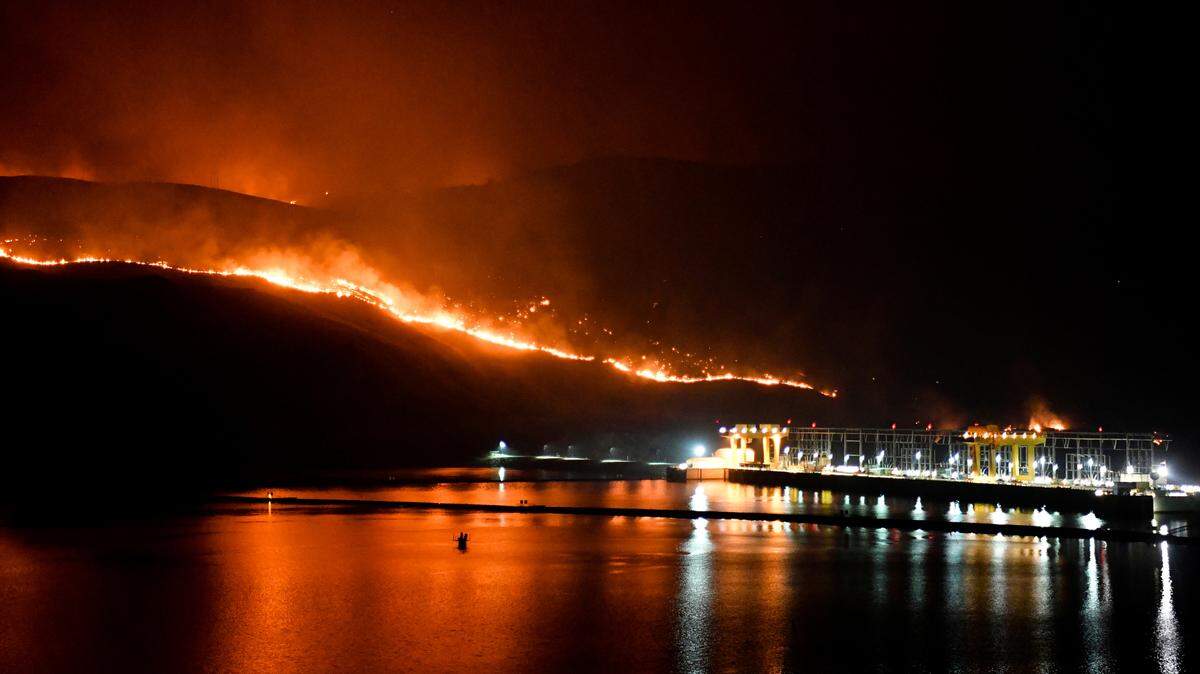
The rate of wildfires this year has been record-breaking in the state, and it’s on track to continue. On Thursday, a wildfire that had grown to 14 square miles was threatening more than 1,500 homes near Wenatchee.
More fire brings more smoke, some which could slip into the Puget Sound region.
Erik Saganic monitors air quality for the Puget Sound Clean Air Agency. He previously told The News Tribune the intensity of smoke this year would depend on wildfire severity, rainfall and lightning, but dryness and heat suggest Western Washington can expect a season of heavy smoke this year.
“This summer started very hot and dry, and we’ve had a lot of fires already, which is early for the season,” Saganic said in an email. “Thankfully, we haven’t been downwind of the smoke yet.”
The state Department of Natural Resources tracks air quality. Its most recent forecast reported that most of Washington currently has good air quality, apart from moderate air quality in the Eastern Washington near the Canadian border.
Forecasting smoke patterns beyond a few days is difficult and would require predicting air patterns and wildfire locations, Washington state climatologist Nick Bond said.
Smoke can either remain high in the atmosphere or blanket the air closer to the Earth’s surface. If it remains around 5,000 feet or higher, it can cause spectacular sunrises and sunsets or give the area a hazy day, Bond said. If the smoke makes it closer to the surface, that’s when it can be difficult for humans to breathe.
Smoke traveling greater distances tends to remain higher in the atmosphere but can “mix” down to the surface, Bond said. Closer wildfires can bring smoke rolling through surface air.
In 2020, Pierce County had 295 days of good air quality, 59 days of moderate air quality, four days of both unhealthy for sensitive groups and unhealthy air for all, and three days of very unhealthy air, the Puget Sound Clean Air Agency reports. Those unhealthy air days were during September when the Graham and Sumner Grade fires were burning.
Most of the time, Western Washington has winds from the Pacific Ocean that push out wildfire smoke from the south or east, Bond said. But if surface winds become more prevalent from Eastern Washington, the south or British Columbia, they can bring wildfire smoke during the summer months.
The Puget Sound Clean Air Agency reports continually higher levels of wildfire smoke in the last three out of four years. In 2019, the region got a break and stayed clean throughout.
The region has not had any harmful levels of smoke thus far this year.
Climate change means more frequent dry summers and wetter winters, Bond said. While continual warming doesn’t mean every summer is going to be dryer, it does mean there will be more frequent dry summers.
“Folks have to recognize that’s the reality, and it doesn’t guarantee fire seasons every year,” Bond said. “But with dryer warmer summers, it means more chances for fires to start and more changes for ignition of big winds to carry bigger fires and smoke.”
The Puget Sound has also seen levels of smoke from wood-burning stoves since 2015, which have “ramped up significantly” within the last four years, he said.
This story was originally published July 16, 2021 at 5:00 AM with the headline "It’s wildfire season in WA. When can we expect smoke to arrive west of the Cascades?."