
Homelessness, downtown Olympia development and traffic drove reader interest in 2019
In 2019, homelessness remained a top issue of concern in the region. The annual homeless census back in January showed 800 people living in shelters, transitional housing or otherwise unsheltered in Thurston County, though officials caution the real number is likely much larger.
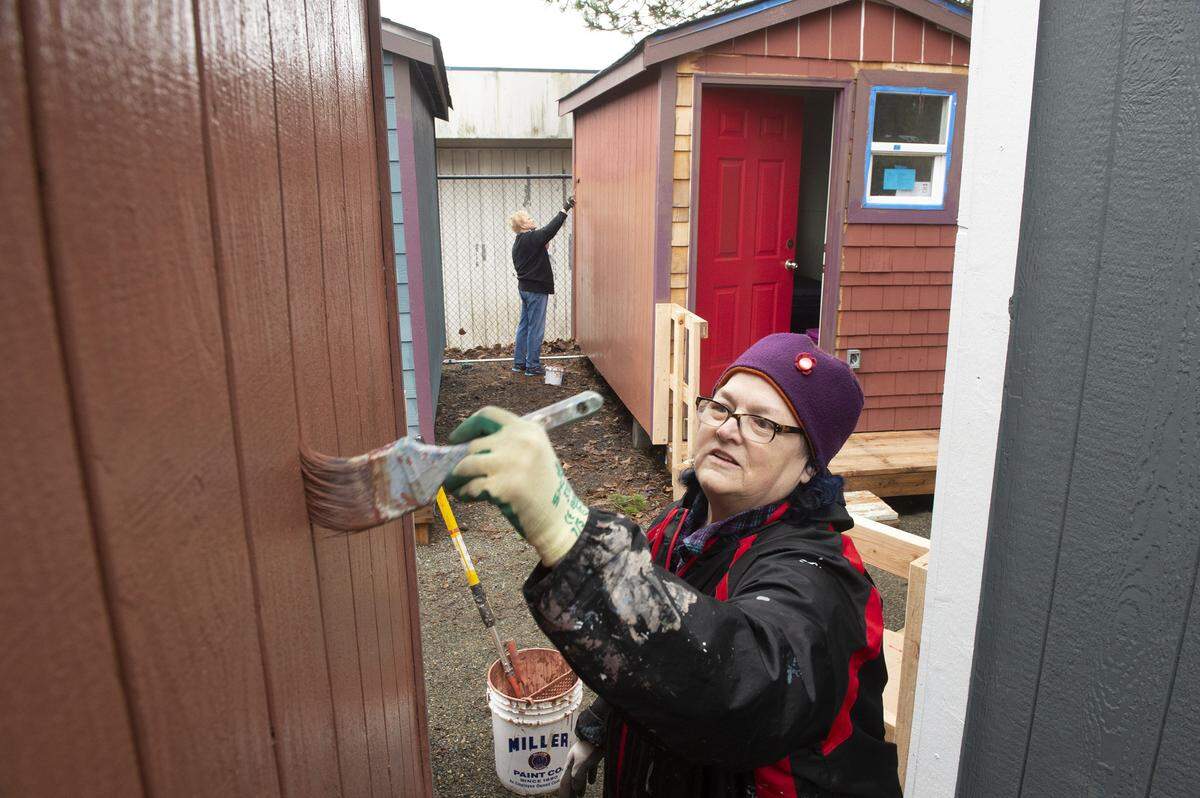
Early in the year, the city of Olympia opened a tiny home village near Plum Street Southeast. Weeks later, it cleared an unsanctioned camp on Franklin Street Northeast, moving some in the camp into a newly opened sanctioned camp up the street called the mitigation site.
In the summer, attention turned to a camp under the Fourth Avenue bridge, which had been growing for months. Colin DeForrest, the city’s homeless response coordinator, called it “most concerning” encampment in the city. In September, the day before the city planned to clear the camp, the City Council voted to hold off.
Tensions rose in November following the death of a homeless man, Jason Moline, 45, near Capitol Lake. The case is being investigated as a homicide by Washington State Patrol.
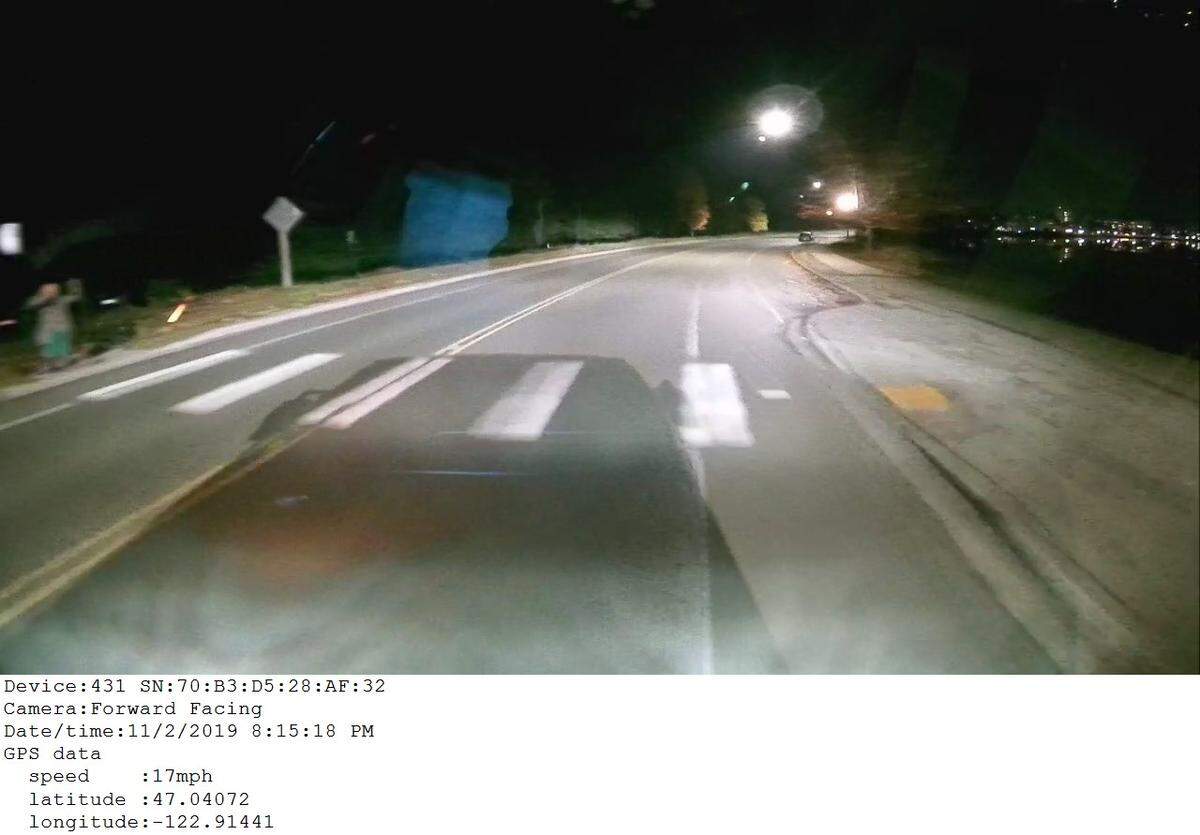
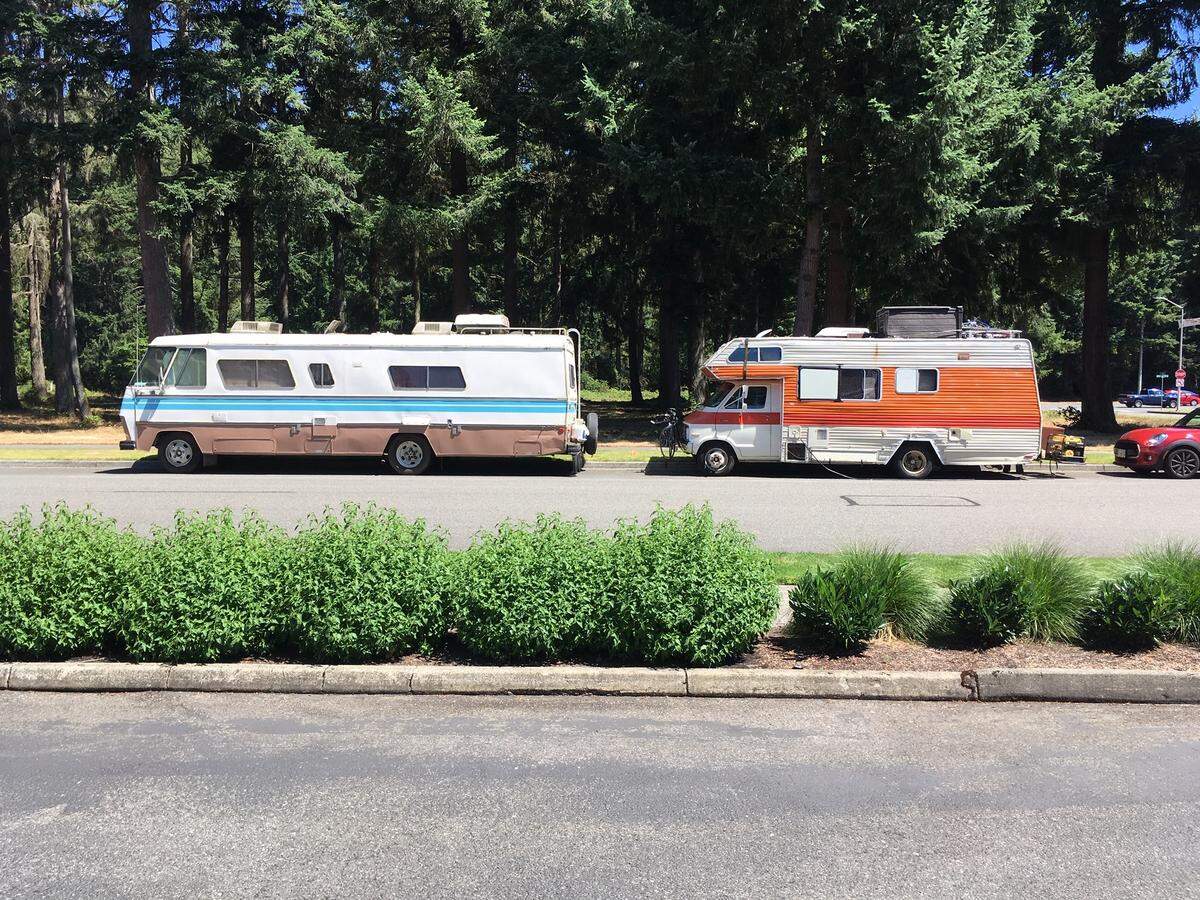
That stretch of Deschutes Parkway was already a hot spot for camping and RVs; the state is now weighing parking restrictions.
In Lacey, the City Council back in June unanimously approved a camping ban, saying it would give the city a tool to stop people from setting up camp or parking their RVs on public property. The camping ban is subject to Boise v. Martin, a federal court ruling that means the city can’t enforce the ban until it has an alternative place to send people who are subject to the ban.
Three months later, the council approved restrictions on RV and commercial vehicle parking in response to a growing number of people living out of RVs in the City Hall parking lot. Officials had planned to open an unfinished road in Hawks Prairie to overnight RV parking but backed off amid public backlash.
Later, the council tweaked its camping ban by adding enforcement hours.
Meanwhile, plans to open a second mitigation site near Lacey were put on hold this fall after cost estimates to ready the site with utilities came in at more than $1 million.
“Depending on who you talk to in the community, there’s never a perfect place for individuals living outside to be,” DeForrest told The Olympian this fall. “Wherever you go, there’s going to be somebody who says ‘Not here, that can’t be here.’ There’s no good place, but ... these individuals are going to find a place, because they need to survive.”
Downtown Olympia development
Downtown continued to change as more and more apartments rose from the ground. Some notable projects: Views on Fifth, between Fifth and Fourth Avenues; Harbor Heights, a senior apartment project on Columbia Street; and Westman Mill on Port of Olympia property near East Bay.
Although apartments sprouted downtown, that was not the case for condos. One project in particular was withdrawn for lack of demand.
Developer Pat Rants, who planned to build a 28-unit condo development that overlooked Percival Landing, said he paid six-figures for an insurance policy that would protect him, the contractor and the subcontractors on the project. Not only is that kind of insurance expensive, it’s also hard to find, he said.
Combine the cost of the insurance with the cost to develop a waterfront parcel, including the need to build on pilings because much of downtown Olympia is on fill, and it produced a sales price that started at around $700,000. Rants pre-sold seven of the 28 units, but that wasn’t enough demand to move his project forward.
“I had a whole list of people who wanted to spend $350,000,” he said.
Road construction in Lacey
Driving was on the minds of readers in 2019, likely because of two major projects in Thurston County, both of which were in Lacey. Work continued on transforming the Exit 111 interchange into a diverging diamond interchange, while work also began on widening a stretch of College Street Southeast, including a new roundabout at 22nd Avenue Southeast.
The diverging diamond interchange is expected to cost $48 million and be completed in late 2020.
As for College Street, the ultimate goal is to widen it between Lacey Boulevard and 37th Avenue, so it has the look and feel of what drivers are already familiar with between 37th Avenue and Yelm Highway. That stretch has more room for traffic and pedestrians.
“We are setting the foundation for the future corridor,” City Manager Scott Spence told The Olympian about the first phase of work, which is expected to be complete by the fall or winter of 2020.
An ICE arrest at the county courthouse complex
In June, plainclothes U.S. Immigration and Customs Enforcement agents conducted an arrest outside the Thurston County Courthouse. The man arrested is a citizen of El Salvador and was leaving the courthouse after attending a hearing.
The Olympian watched hours of video surveillance footage from that day, which shows a presumed agent showing his badge at security and having conversations with a courthouse security officer before the arrest was made.
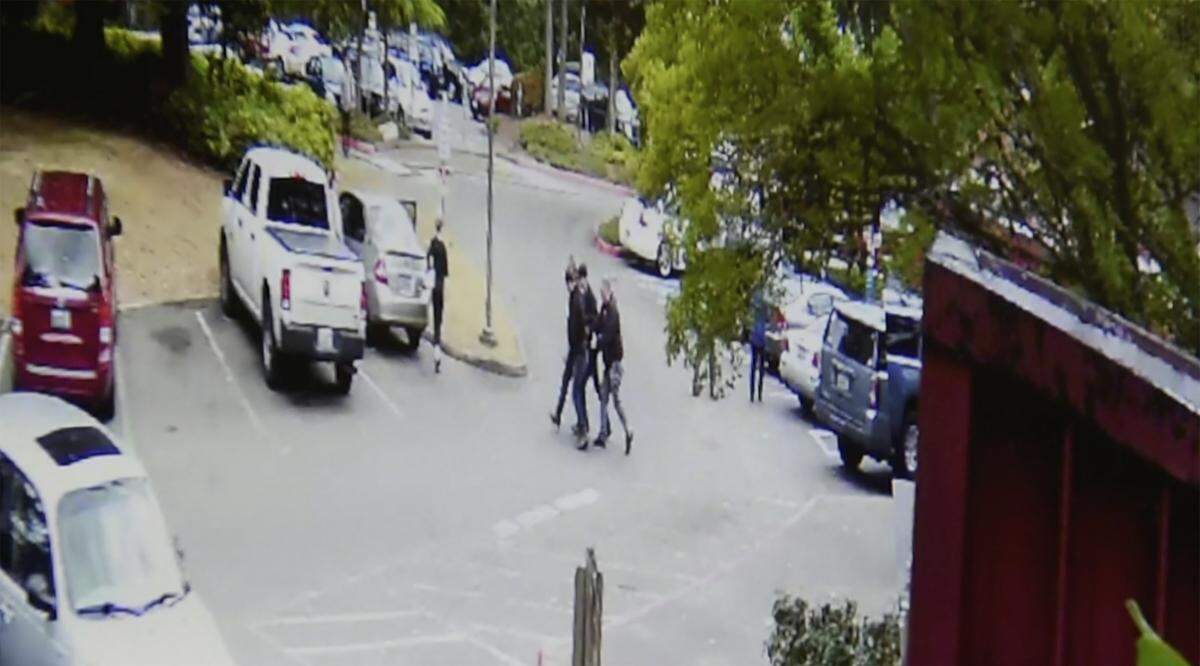
The incident alarmed county officials, who worried ICE’s presence at the courthouse would discourage undocumented people from coming to the complex to attend hearings, report crimes or seek services.
Law enforcement and justice stakeholders met in September to discuss next steps, and county courts adopted interim policies to guide court employees should the situation arise again. Those policies will be in place at least until the state Attorney General’s Office releases a comprehensive model policy that’s due in May 2020.
Meanwhile, Washington has sued the Trump administration over its practice of making immigration arrests at courthouses. The Thurston County Prosecutor’s Office was considering filing its own lawsuit earlier this year and ended up collaborating with the state in its suit instead.
The Nancy Moyer not-so-cold case
A decade-old cold case seemed to break open in July, when a former neighbor and coworker of Nancy Moyer confessed to killing her.
Eric Lee Roberts called 911 and told a dispatcher he killed Moyer 10 years ago and felt “tired of holding it inside,” according to court documents. But when investigators searched Roberts’ property near Tenino, he recanted.
Moyer, who was 36 and a mother of two, disappeared from her Tenino-area home in March 2009 and is presumed dead. No arrests were made, though investigators determined foul play was involved.
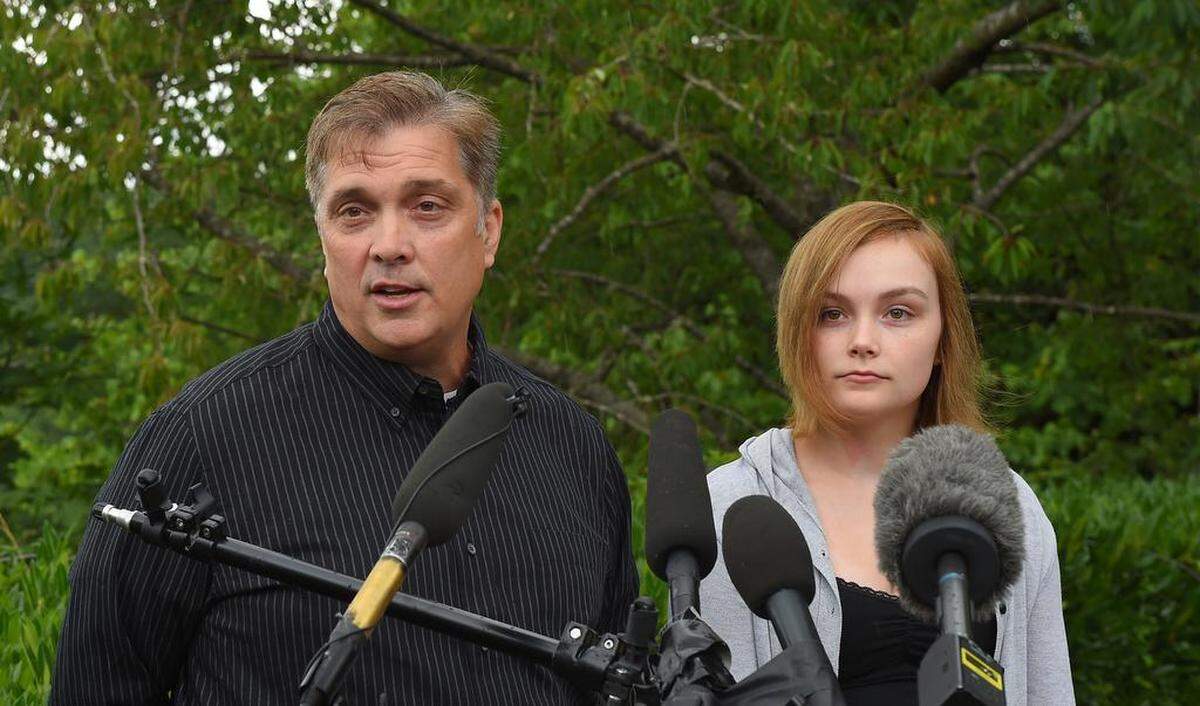
At an initial court appearance, a Thurston County Superior Court commissioner found probable cause to charge Roberts with second-degree murder and set bail at $1.5 million. But prosecutors decided to hold off filing charges.
Before he could walk out of jail, Roberts was arrested on alleged unrelated weapons violations. The next day, he was arrested yet again and appeared in federal court on the weapons charges, which were then dropped.
Roberts was released, but the saga continued: Snohomish County Jail records show he was arrested by Edmonds police the next day and booked on fourth-degree assault, domestic violence, which was later dismissed.
In an episode of the podcast Hide and Seek that is devoted to the Moyer case, Roberts said he didn’t remember confessing to anything. At an October CrowdSolve event in Seattle, true-crime enthusiasts and new subject-matter experts dug into the case files — there haven’t been any public updates on the case since.
The death of Eloy Perez
Eloy Perez, a standout youth athlete in Thurston County who later discovered boxing and turned pro, died in early October in Tijuana, Mexico, where he had been living since he was deported in 2016.
A family member said he was the victim of a homicide.
Perez came to the U.S. from Mexico with his family when he was a toddler and grew up in south Thurston County. After getting into scrapes at school, he was introduced by a family friend to boxing as a young teen.
Perez would go on to a professional career record of 23-1-2. His last fight, his only professional defeat, was in 2012, according to his sister.
He was later released from his contract after testing positive for positive for cocaine after that bout, ESPN reported.
Perez, who remained undocumented, ended up in jail following a pair of back-to-back DUI arrests while suspended from boxing in 2012-13. After more than a year at the Northwest Detention Center in Tacoma, the court offered him a choice: stay in the center indefinitely or be deported to Mexico.

His family said he did not speak Spanish fluently and knew only distant relatives in Mexico, but he chose deportation.
“It was a different lifestyle down there,” sister Emma Perez said.
Daughter accused of killing mother
The daughter of an Olympia woman reported missing back in July was later charged with first-degree murder, accused of strangling and dismembering her mother and leaving body parts in dumpsters and trash cans throughout northwest Olympia,
Susan Lundy, 58, had been living with her daughter, Amara J. Lundy, 23, on the 1400 block of Division Street Northwest before she went missing. Detectives say Amara Lundy initially told them her mother had gone camping and she had moved to her father’s house.
But later, she told police she strangled her mother in the home, according to court documents.
Lundy also allegedly told officers that after she dismembered the body, she and her boyfriend got a shopping cart from a local grocery store and disposed of the body at dumpsters and trash cans around Olympia. Ryan Parker, was later arrested and charged with rendering criminal assistance in the first degree.
Both pleaded not guilty and remain in the Thurston County jail awaiting trial.
February’s snowmagddeon
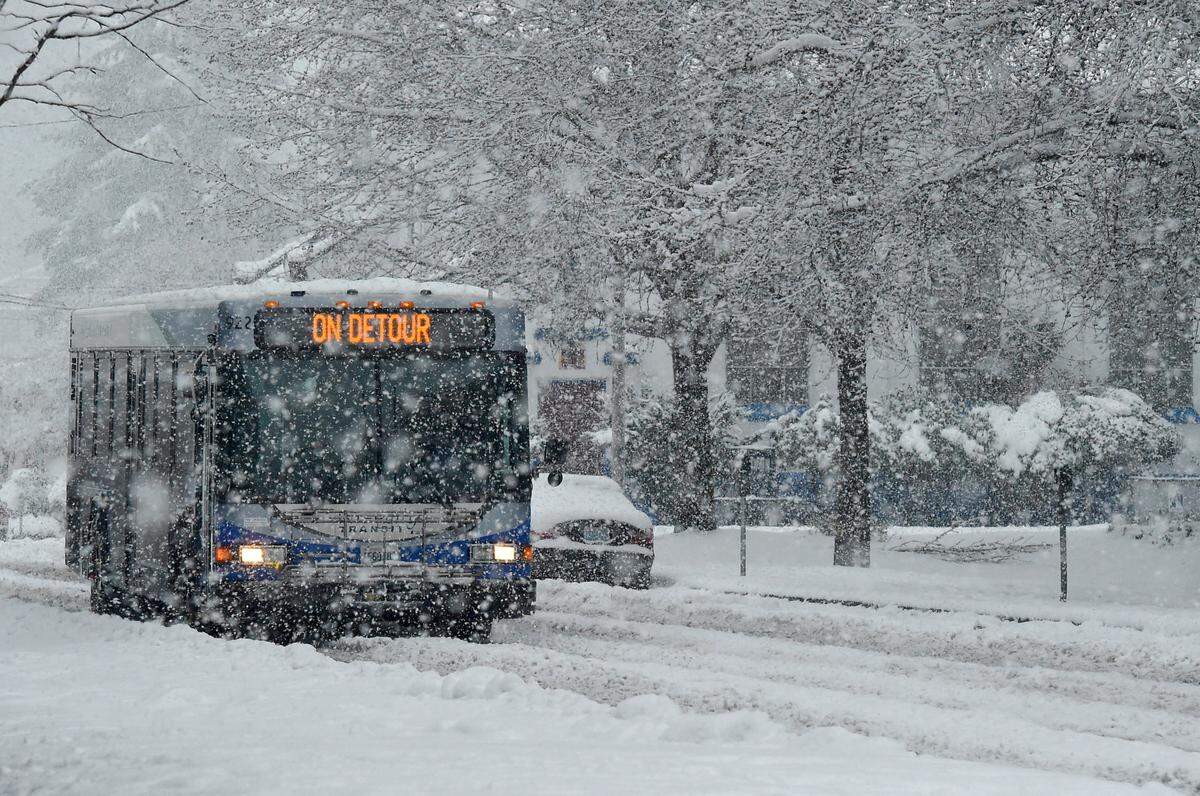
Back in early February, the region was walloped by a series of snowstorms that shut down schools for nearly a week, left thousands in Thurston County without power and generally made everyday life a challenge.
About 18 inches of snow fell in the Olympia area in four days, according to the National Weather Service in Seattle. Wet, heavy snow was to blame for the collapse of two boat sheds at West Bay Marina that sank three boats. In Lacey, a store at the South Sound Center had a partial roof collapse that broke a sprinkler line.
Fish Brewing woes and sale
Homegrown Fish Brewing Co., a business that got its start in Olympia 26 years ago, ran into financial trouble this year and ended up with a new owner.
In the spring, Thurston County Superior Court records showed the business owed creditors more than $4.8 million but only has assets of $2.6 million. Fish Tale Brew Pub, which is part of Fish Brewing, operates across from the brewery on Jefferson Street Southeast.
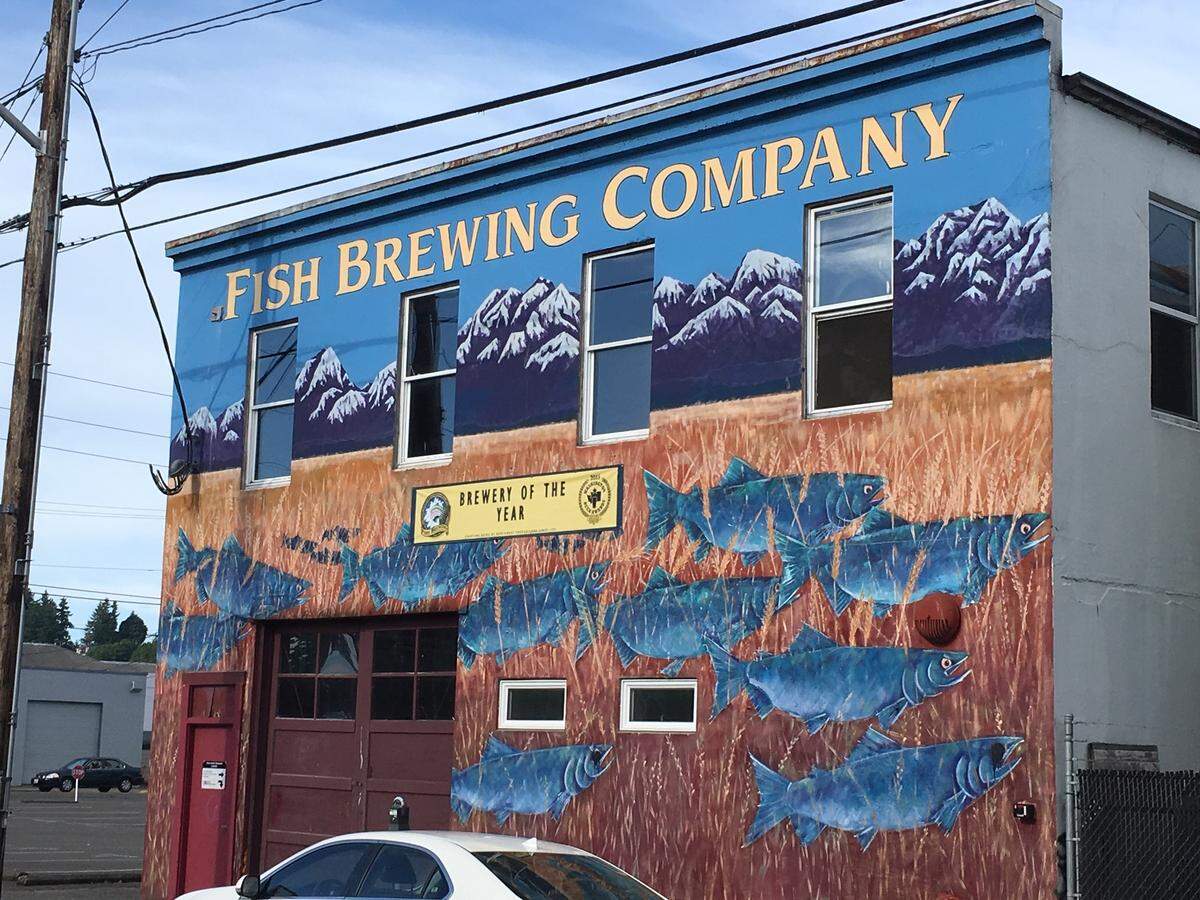
A receiver took over control of Fish Brewing’s assets. In December, the business announced it had been sold to Josh Carrigan and Kate Craig, a husband-and-wife team from Seattle who own the Still Liquor bar in the Capitol Hill neighborhood.
The couple paid $970,000 for the business, Thurston County Superior Court records showed.
Fish’s Point Ruston brewpub, which opened in late 2017, closed in February.
Ostrom’s Mushroom Farm to shut down
In June, Ostrom’s Mushroom Farm, a major Thurston County employer that has grown mushrooms near Lacey since the late 1960s, announced it would close the farm by the end of the year and shift production to a new plant in the Yakima area.
About 240 farm workers will be affected by the closure, Ostrom’s president David Knudsen told The Olympian. About 40 employees in packing and shipping will continue to work into 2020, he said at that time.
Once the Thurston farm closes, the land will be put up for sale. Knudsen said it is zoned for residential development. Ostrom’s acquired the farm in 1967, he said.
Thurston County Economic Development Council Executive Director Michael Cade said the site at Marvin Road Southeast and Steilacoom Road Southeast, which is surrounded by urban development, should sell quickly.